

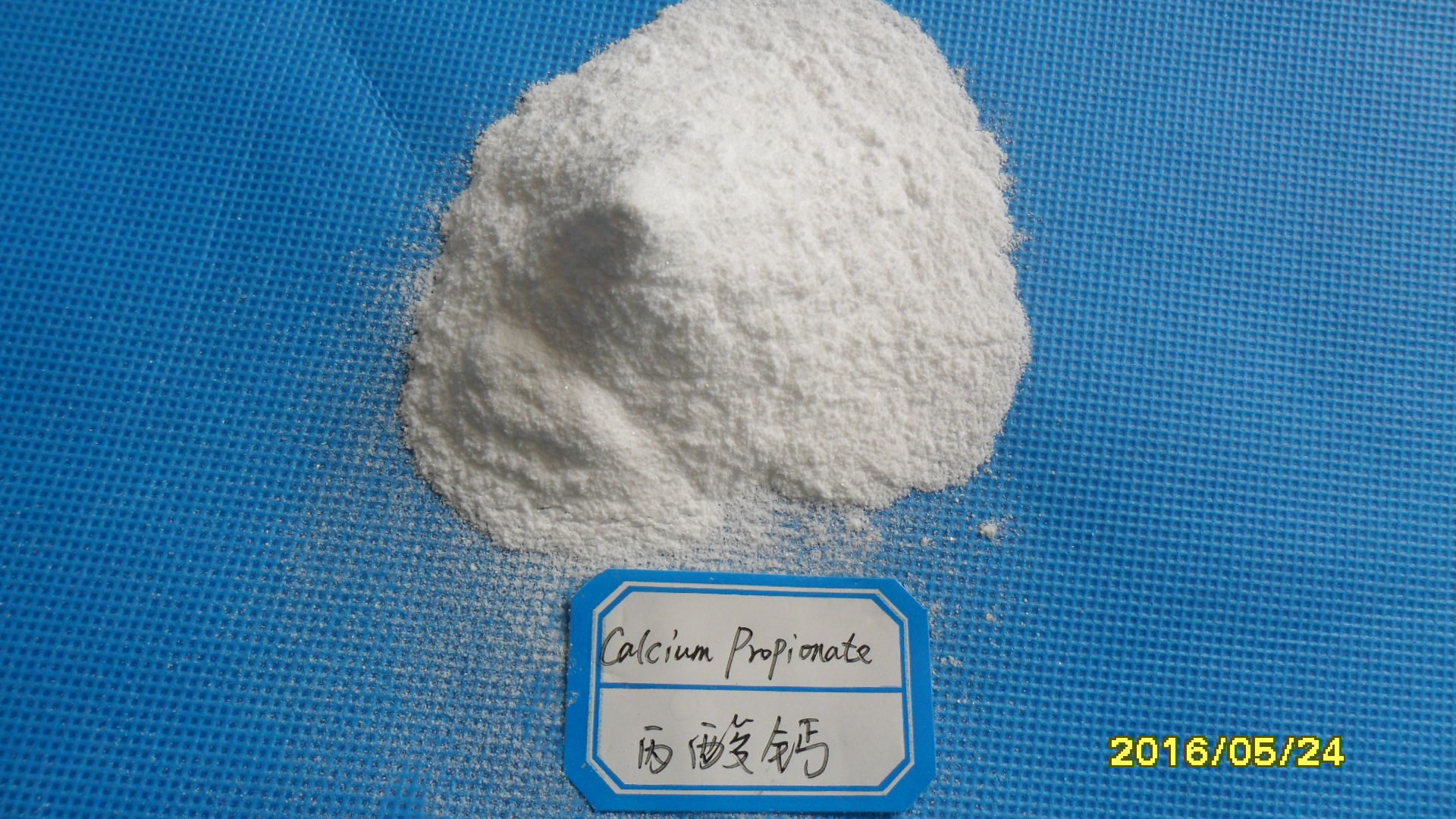
1. Mechanism of action
The action mechanism of sodium diacetate and calcium propionate is different. By changing the composition and function of the cell membrane of microorganisms, sodium diacetate inhibits the growth and reproduction of microorganisms such as bacteria, molds and yeasts, thus playing a preservative role. Calcium propionate is by changing the pH value of the environment, so that microorganisms can not reproduce, so as to achieve corrosion protection.
2. Scope of application
The application range of sodium diacetate and calcium propionate is also different. Sodium diacetate is suitable for corrosion protection of acidic products, such as juice, yogurt, etc. Calcium propionate is suitable for alkaline products, such as bread, cake and so on.
Third, use method
The use of sodium diacetate and calcium propionate is also different. Sodium diacetate is usually added directly to the product for anti-corrosion, the amount is about 0.1-0.3%; Calcium propionate needs to be first made into a solution, and then added to the product, the amount is also 0.1-0.3%.
4. Comparison of characteristics
The characteristics of sodium diacetate and calcium propionate are also different. Sodium diacetate is more stable than calcium propionate, is not easy to decompose, has a wide range of use, good anti-corrosion effect, and is not easy to affect food. Calcium propionate is safer and can be used in more food products, such as cookies, bread, etc., but for very sour or very sweet products, its anti-corrosion effect may be reduced.
Overall, sodium diacetate and calcium propionate are commonly used preservatives, but the specific choice of which also needs to be determined according to the nature of the specific product and the use of the environment. When using preservatives, it is also necessary to pay attention to the amount, ratio and timing of addition to ensure the safety, hygiene and good taste of the product.
The action mechanism of sodium diacetate and calcium propionate is different. By changing the composition and function of the cell membrane of microorganisms, sodium diacetate inhibits the growth and reproduction of microorganisms such as bacteria, molds and yeasts, thus playing a preservative role. Calcium propionate is by changing the pH value of the environment, so that microorganisms can not reproduce, so as to achieve corrosion protection.
2. Scope of application
The application range of sodium diacetate and calcium propionate is also different. Sodium diacetate is suitable for corrosion protection of acidic products, such as juice, yogurt, etc. Calcium propionate is suitable for alkaline products, such as bread, cake and so on.
Third, use method
The use of sodium diacetate and calcium propionate is also different. Sodium diacetate is usually added directly to the product for anti-corrosion, the amount is about 0.1-0.3%; Calcium propionate needs to be first made into a solution, and then added to the product, the amount is also 0.1-0.3%.
4. Comparison of characteristics
The characteristics of sodium diacetate and calcium propionate are also different. Sodium diacetate is more stable than calcium propionate, is not easy to decompose, has a wide range of use, good anti-corrosion effect, and is not easy to affect food. Calcium propionate is safer and can be used in more food products, such as cookies, bread, etc., but for very sour or very sweet products, its anti-corrosion effect may be reduced.
Overall, sodium diacetate and calcium propionate are commonly used preservatives, but the specific choice of which also needs to be determined according to the nature of the specific product and the use of the environment. When using preservatives, it is also necessary to pay attention to the amount, ratio and timing of addition to ensure the safety, hygiene and good taste of the product.


